
How to Tackle Common Home Repairs

Updated: Aug 20, 2025
Owning a home means dealing with repairs from time to time. Some issues are small and easy to fix, while others require more attention. Knowing how to handle common home repairs can save you money and stress. This guide will walk you through practical steps to address typical problems around the house.
Identifying Common Home Repairs
Before jumping into repairs, it’s important to recognize the most frequent issues homeowners face. These include:
Leaky faucets
Running toilets
Cracked walls or ceilings
Faulty electrical outlets
Clogged drains
Broken door locks
Each of these problems can disrupt daily life but often have straightforward solutions. For example, a dripping faucet usually means replacing a worn-out washer or cartridge. Running toilets often need a new flapper valve or adjustment of the float.
Taking the time to inspect your home regularly can help you catch these problems early. Look for water stains, listen for unusual sounds, and test fixtures to ensure they work properly.

How to Approach Home Repairs Safely and Effectively
When tackling home repairs, safety should always come first. Here are some essential tips:
Turn off power or water before starting any repair involving electrical or plumbing systems.
Use the right tools for the job to avoid damage or injury.
Wear protective gear such as gloves and safety glasses.
Follow manufacturer instructions for replacement parts or materials.
Know your limits and call a professional if the repair is beyond your skill level.
For example, fixing a faulty electrical outlet requires turning off the circuit breaker and using a voltage tester to confirm no current is present. If you are unsure, it’s best to hire home repair services to avoid hazards.
Simple repairs like patching small holes in drywall can be done with spackle and a putty knife. Sand the area smooth once dry and repaint to restore the wall’s appearance.
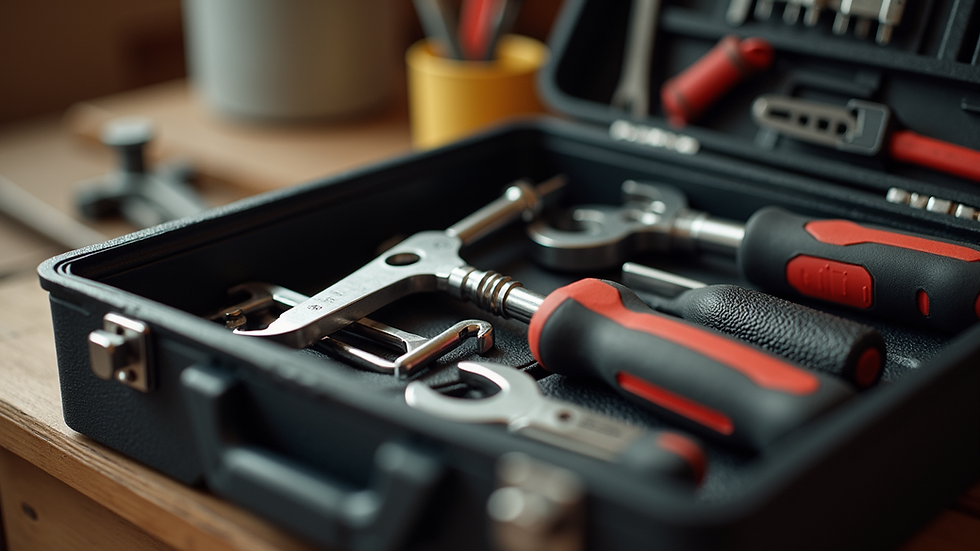
What is the Rule of Thumb for House Repairs?
A good rule of thumb for house repairs is to address small issues promptly before they become bigger problems. Ignoring minor leaks or cracks can lead to costly damage such as mold growth or structural weakening.
Another useful guideline is the “one in, one out” rule for maintenance. When you replace or fix one part, check related components to ensure they are in good condition. For example, if you replace a faucet washer, inspect the entire faucet assembly for wear.
Regular maintenance checks every 6 to 12 months can help you stay ahead of repairs. Create a checklist that includes:
Inspecting roof shingles and gutters
Testing smoke and carbon monoxide detectors
Checking HVAC filters and systems
Examining plumbing for leaks or corrosion
By following these simple rules, you can extend the life of your home’s systems and avoid emergency repairs.

Step-by-Step Guide to Fixing a Leaky Faucet
One of the most common home repairs is fixing a leaky faucet. Here’s a simple step-by-step guide:
Turn off the water supply under the sink.
Plug the drain to prevent small parts from falling in.
Remove the faucet handle using a screwdriver or Allen wrench.
Take out the cartridge or valve stem depending on your faucet type.
Inspect the parts for damage or wear, especially washers and O-rings.
Replace worn parts with new ones from a hardware store.
Reassemble the faucet and turn the water back on.
Test for leaks by running the faucet.
If the leak persists, the problem might be deeper in the plumbing, and professional help may be needed.
Tips for Maintaining Your Home to Prevent Repairs
Prevention is the best way to reduce the need for repairs. Here are some practical tips:
Keep gutters clean to prevent water damage.
Seal cracks and gaps around windows and doors to improve energy efficiency.
Flush your water heater annually to remove sediment buildup.
Lubricate door hinges and locks to keep them working smoothly.
Check your foundation for signs of cracks or shifting.
By staying proactive, you can avoid many common issues and keep your home in good shape.
Taking care of your home doesn’t have to be overwhelming. With the right knowledge and tools, many repairs can be handled quickly and safely. For more complex problems, don’t hesitate to reach out to trusted home repair services to ensure the job is done right. Your home is an investment worth protecting.


Comments